WatchTBC.com
Southside Cowboy
Concrete Cowboy
4/23/20263 min read
My post content
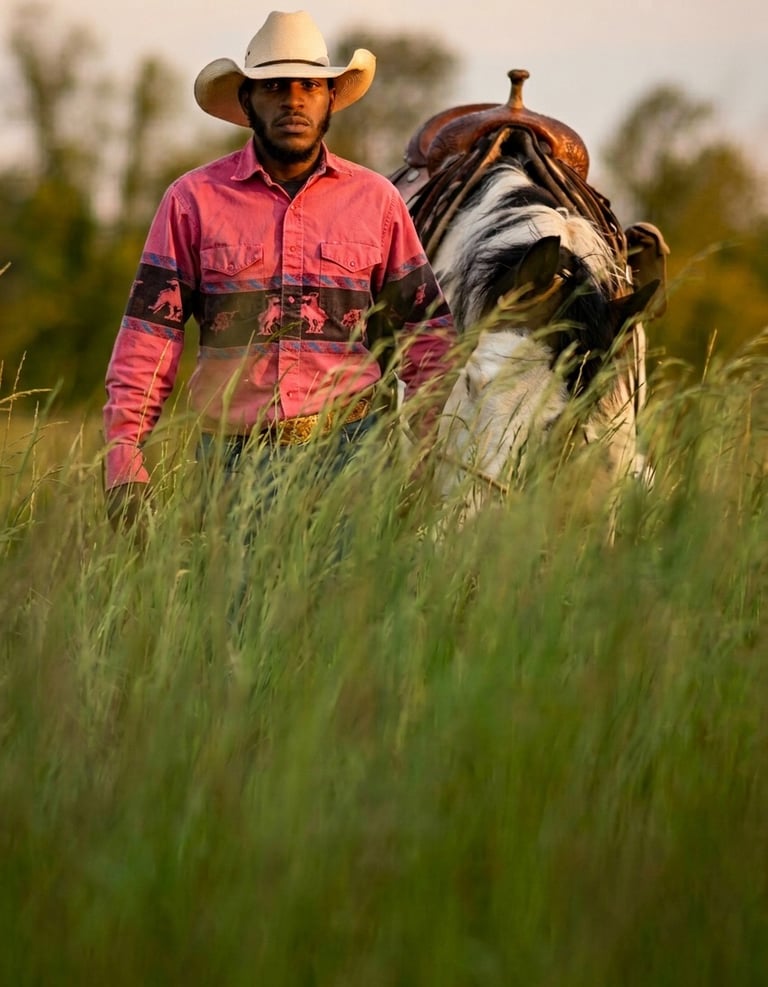
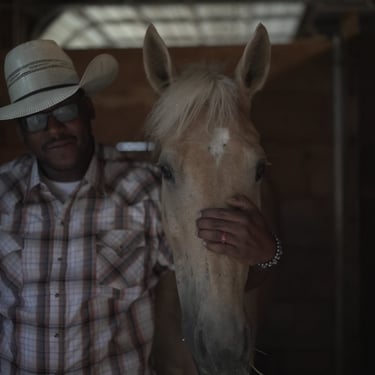
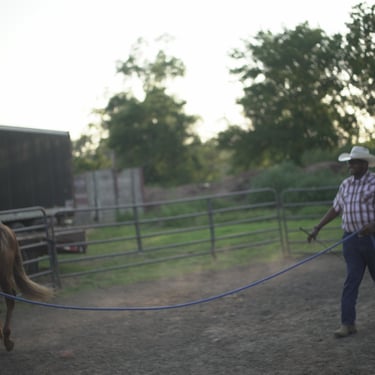
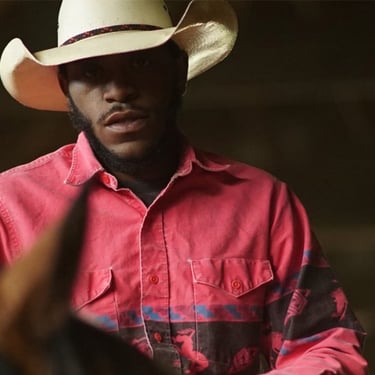
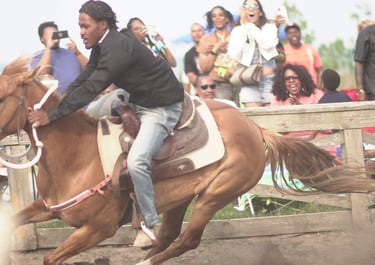
Southside Chicago The rhythm of hooves rarely carries across concrete. On Chicago’s South Side, the dominant soundtrack is mechanical, sirens cutting through traffic, buses exhaling at corners, the steady electrical hum of a city in motion. But for Arron Baxter, another cadence has always been present: grounded, deliberate, and inherited.
Aaron isn’t a cowboy by hobby. He’s a cowboy by birthright.Raised in Chicago, but when you travel 35 miles south towns like Steger, and Crete Urban Cowboy Culture such as the Broken Arrow Riding Club, who keep and train horses in the area before participating in city-wide events.
“People say Chicago don’t have cowboys,” Baxter says. “But wherever there were cows, there were cowboys. And one out of four of them were Black.”
That truth runs deeper than folklore. In the late 19th and early 20th centuries, Chicago’s Union Stockyards were a hub of American livestock trade and Black cowboys were a critical part of that ecosystem. Baxter isn’t reinventing the culture; he’s continuing it.
A Family That Never Questioned
Baxter’s path was never a fight at home. It was encouraged, protected, and celebrated.
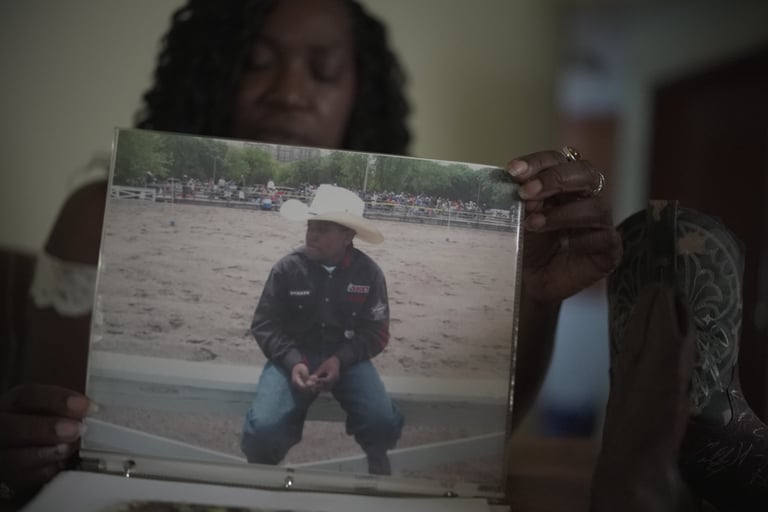
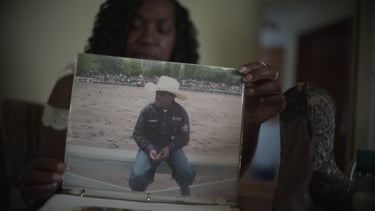
His mother, auntie, and grandmother didn’t just accept his passion—they fueled it. Long drives, packed coolers, and weekends spent at rodeos across the country became a way of life. While other kids spent Saturdays at basketball courts or football fields, Aaron was learning reins, posture, and discipline.
“They made it possible,” he says. “Every mile, every rodeo they were there.”
That kind of support isn’t just emotional it’s foundational. a sport that demands time, money, and relentless commitment.
Where the City Meets the Saddle
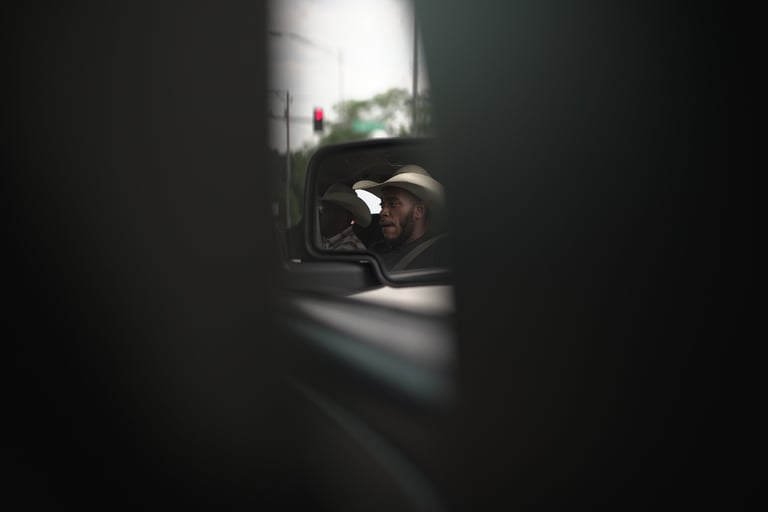
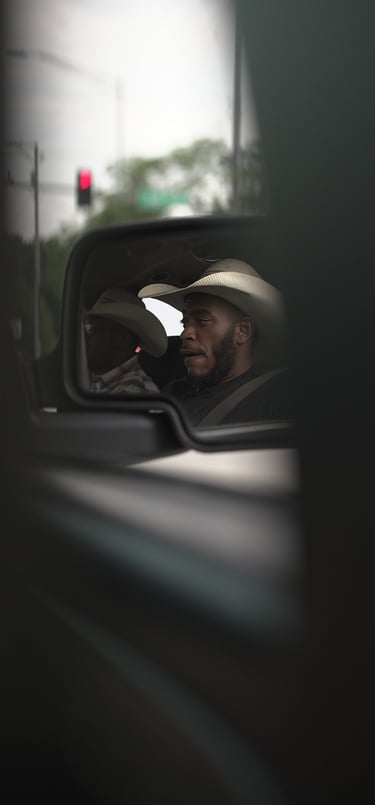
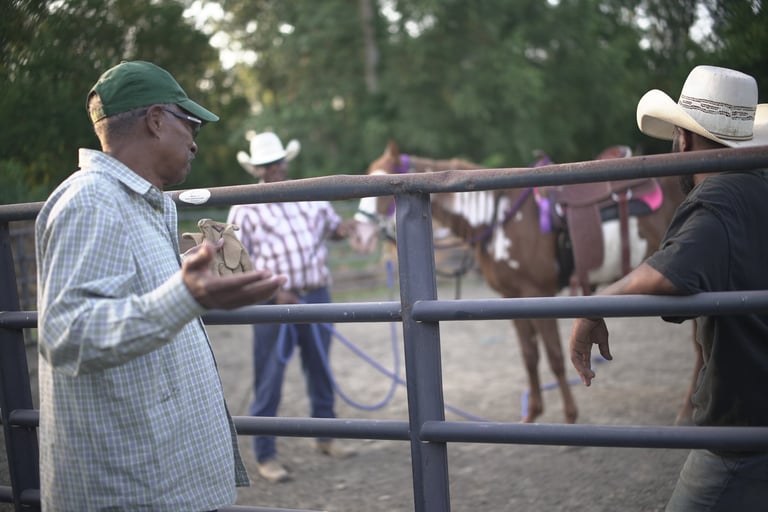
At the center of Aaron Baxter’s growth is the Broken Arrow Horseback Riding Club, a South Side institution that has quietly become a cornerstone of Chicago’s Black cowboy culture. More than a place to ride, the club operates as a living archive—where history is not just told, but
practiced. Riders gather not only to train, but to reclaim a legacy often erased from mainstream narratives, one that ties urban streets to open ranges through generations of Black horsemanship.
Key to that mission is Ron Vasser, a horseman of more than two decades who has turned his passion into purpose. Through mentorship, he introduces city youth to both the discipline of riding and the deeper history behind it—stories of Black cowboys who shaped the American West and urban livestock culture alike. Alongside Murdock, the club’s president and a foundational figure, Vasser has helped create not just riders, but opportunities—offering guidance, structure, and even event spaces where young talent like Baxter can develop.
The Lakefront Rodeo
On May 21, the South Shore Cultural Center will transform.
Set against the backdrop of Lake Michigan, with the golf course stretching nearby and families picnicking under open skies, the space becomes something unexpected—a rodeo ground in the heart of Chicago.
Dozens of riders will compete for trophies, cash prizes, and pride. The air will carry the sounds of hooves, cheers, and tradition. Bikes will roll past. Spectators will pause. And for a moment, the city will feel like open country. For Baxter, this isn’t just another competition.
It’s home.
“This one means everything,” he says. “This is where I built myself.”
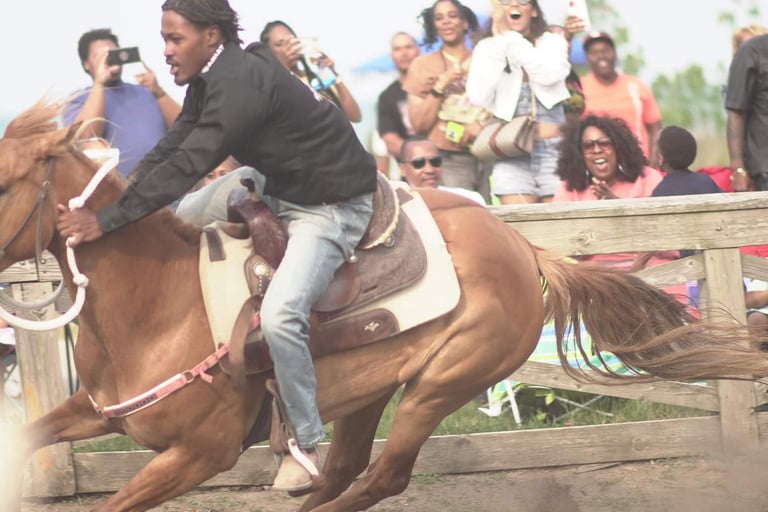







Baxter represents a growing movement—urban riders reclaiming a history that was never lost, just overlooked.
The term “concrete cowboy” isn’t a contradiction. It’s a reality.
It’s early mornings before work. It’s hauling feed through city streets. It’s balancing grit with grace, discipline with passion. It’s proving that cowboy culture isn’t confined by geography—it’s defined by spirit.
And Baxter rides with all of it.